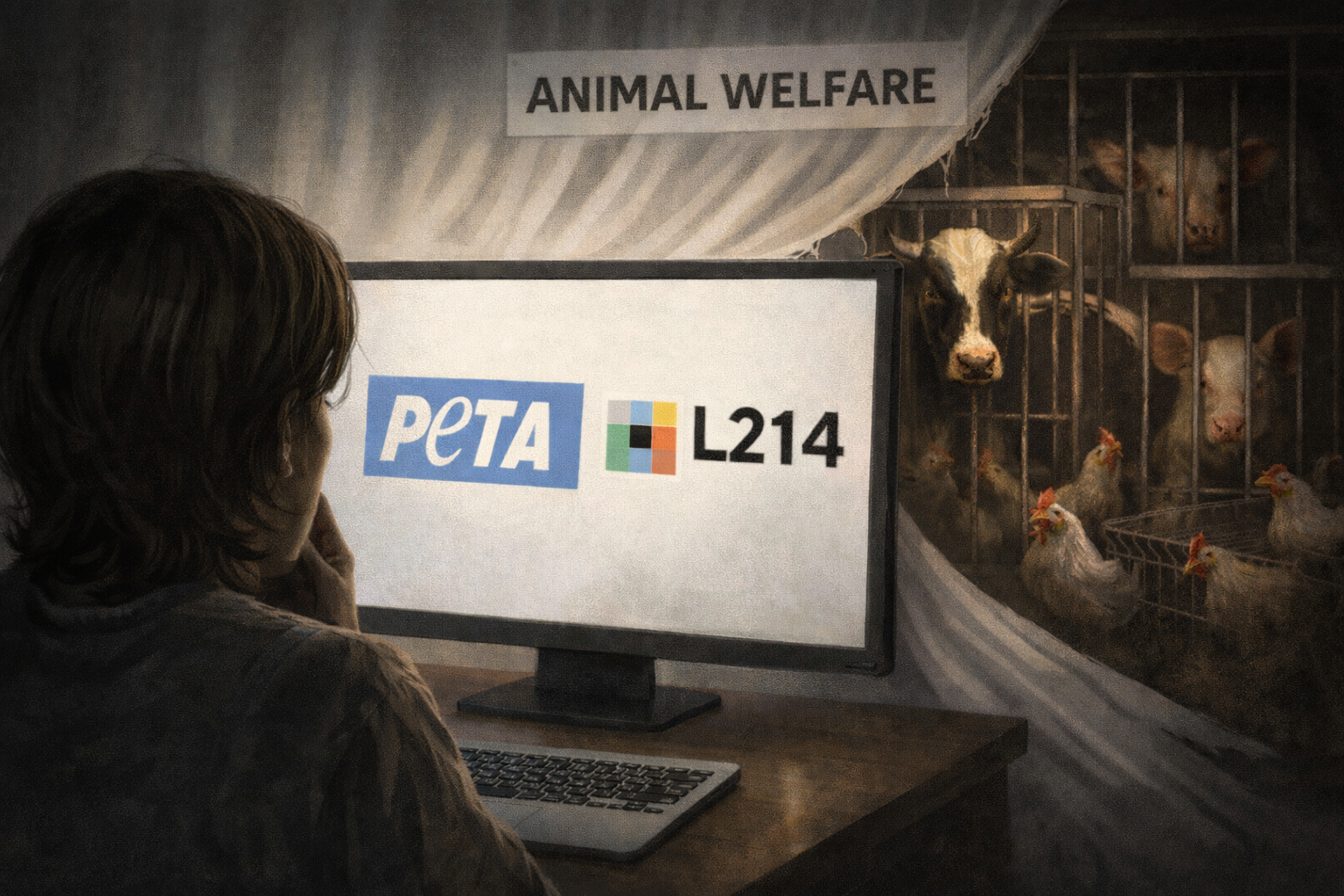
It struck me immediately. This numbing effect was deadly: everyone could continue consuming animals since they were being exploited in a “good” way. And the worst part was that their own “defenders” were the ones saying it. Under these conditions, becoming aware of the moral injustice was almost impossible.
I now understand the horror of this reality: it perpetuates the idea that we can sacrifice innocents so that one day hell will come to an end. Except hell never ends, because people never become vegan.
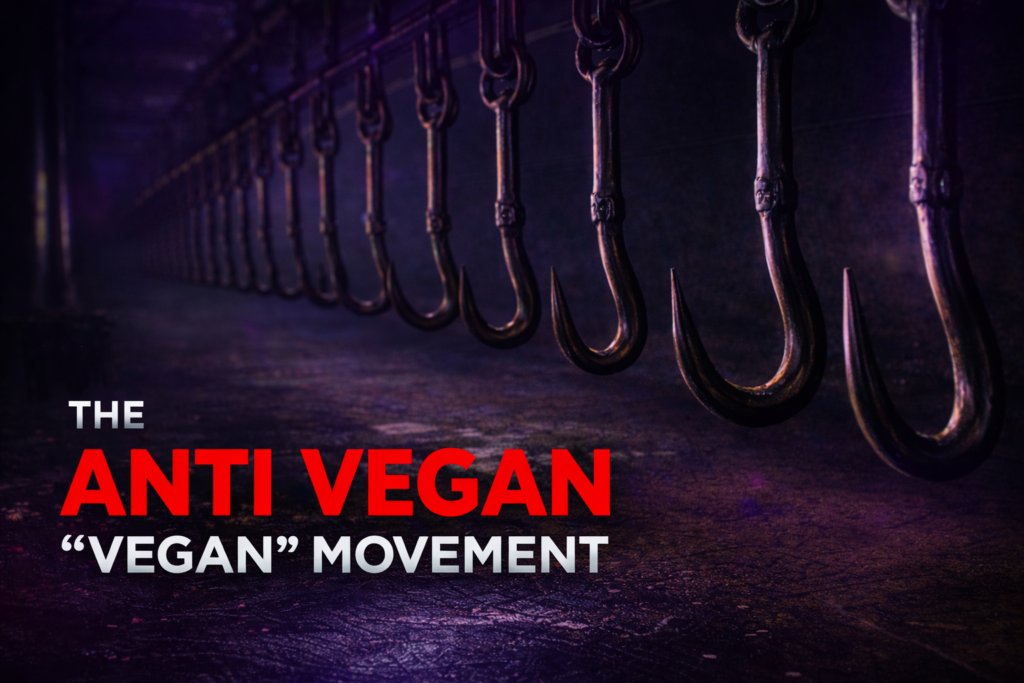
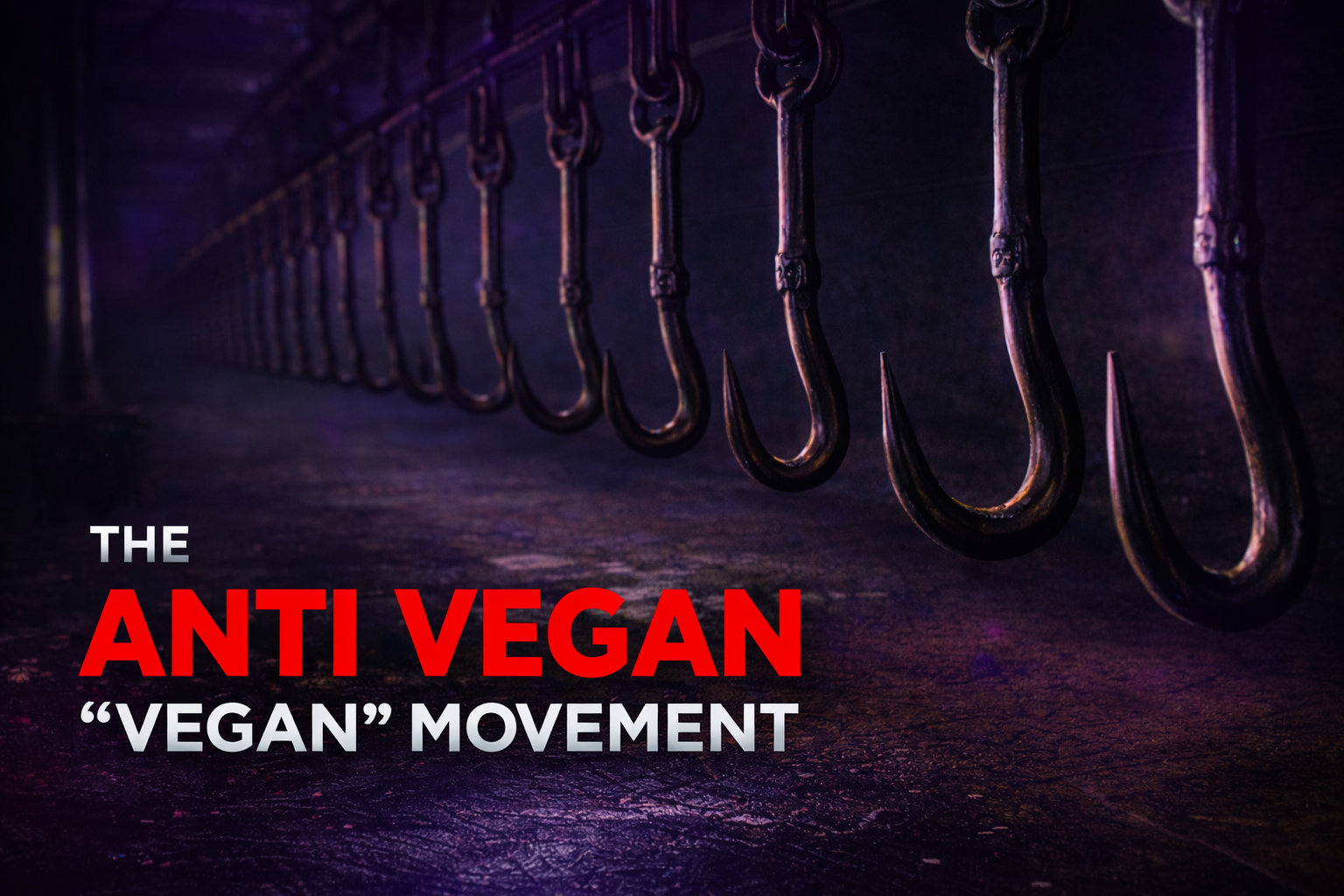
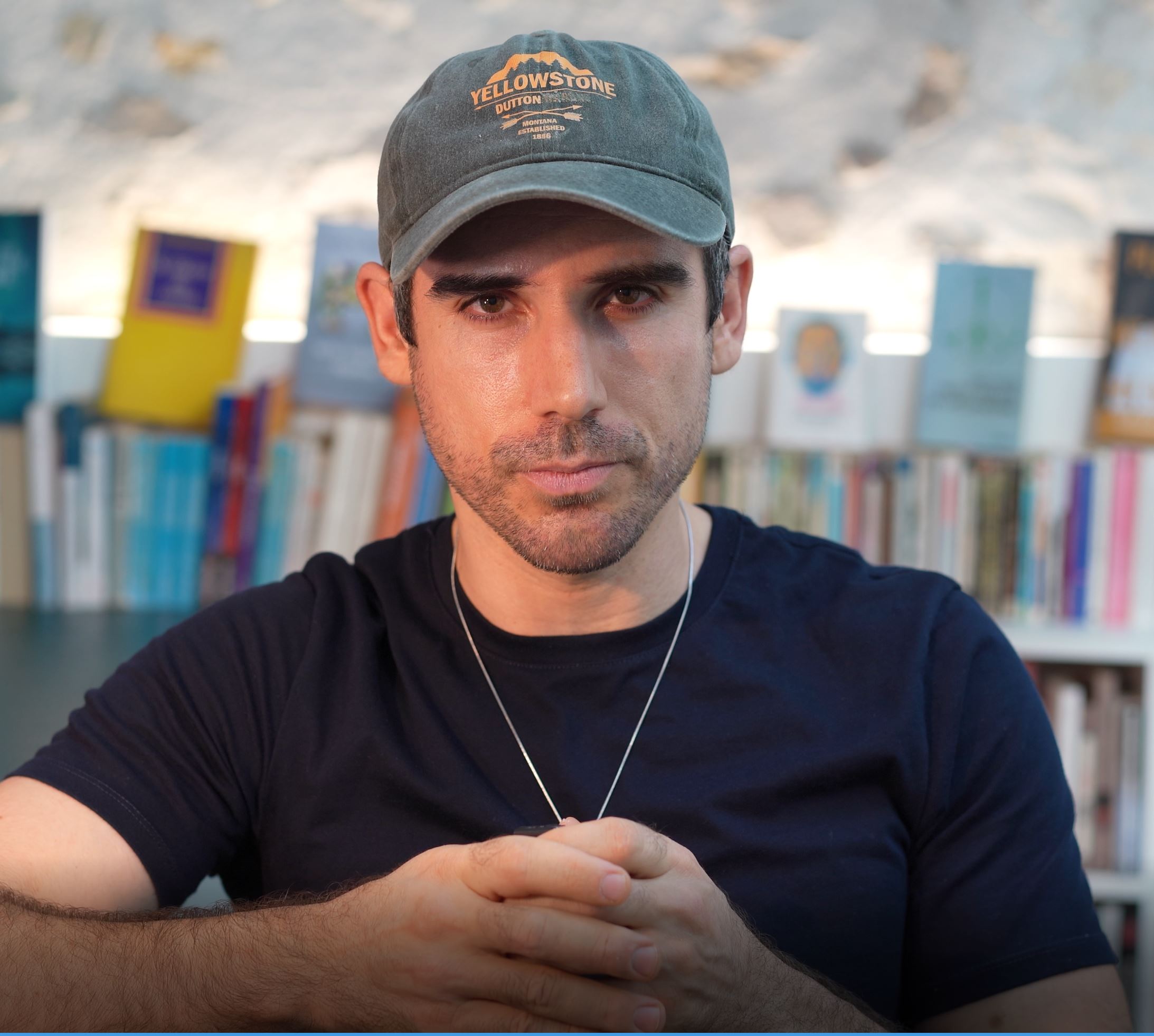
This is why Jérémie speaks of an “anti-vegan” vegan movement. These organizations
renounce putting veganism at the forefront. They do not free animals,
they condemn them. The vegan world, like bait shimmering in the distance, forever eludes us.
Throughout the year, Jérémie openly and clearly denounced this injustice on social media. He began speaking of the betrayal of animals by these organizations. It caused an uproar.
Many “vegans” were offended. They vigorously defended the “anti-vegan” organizations:
“And what are you doing for the animals?”
“These organizations are doing an amazing job.”
“We let you do your activism, don’t interfere with others.”
“We must be tolerant, we must unite rather than divide.”
But unite for what?
All of this revealed deep confusion. And instead of reflecting on the substance of what Jérémie was saying, they attacked him personally. It is well known: when people run out of arguments, they attack the messenger.
On one side, the group of dogmatic vegans promotes veganism while instilling fear among vegans through an anti-pedagogical dogmatic mindset. On the other side, the anti-vegan movement uses pedagogy to talk about everything except the moral necessity of veganism.
The strongest resistance faced by the “vegan” movement does not come from non-vegans but from “vegans” themselves.
This new understanding was the shock revelation of this year.
3 – Progress in Understanding Veganism
This year, my training to become the most effective vegan educator possible continued, particularly by responding to numerous comments on Facebook.
At first, I would take each mistaken idea and respond to it point by point, just as Jérémie had taught me. I would spend hours on every comment. This method produced very thorough and highly pedagogical responses, but was it really useful to spend so much time on each one?
Gradually, as Jérémie’s “popularity” grew, the number of comments increased. The method then changed: responses had to be as short and impactful as possible. From then on, I had to get to the essential points more quickly. I managed quite well. The hours spent generously engaging in discussion had strengthened my argumentative skills.
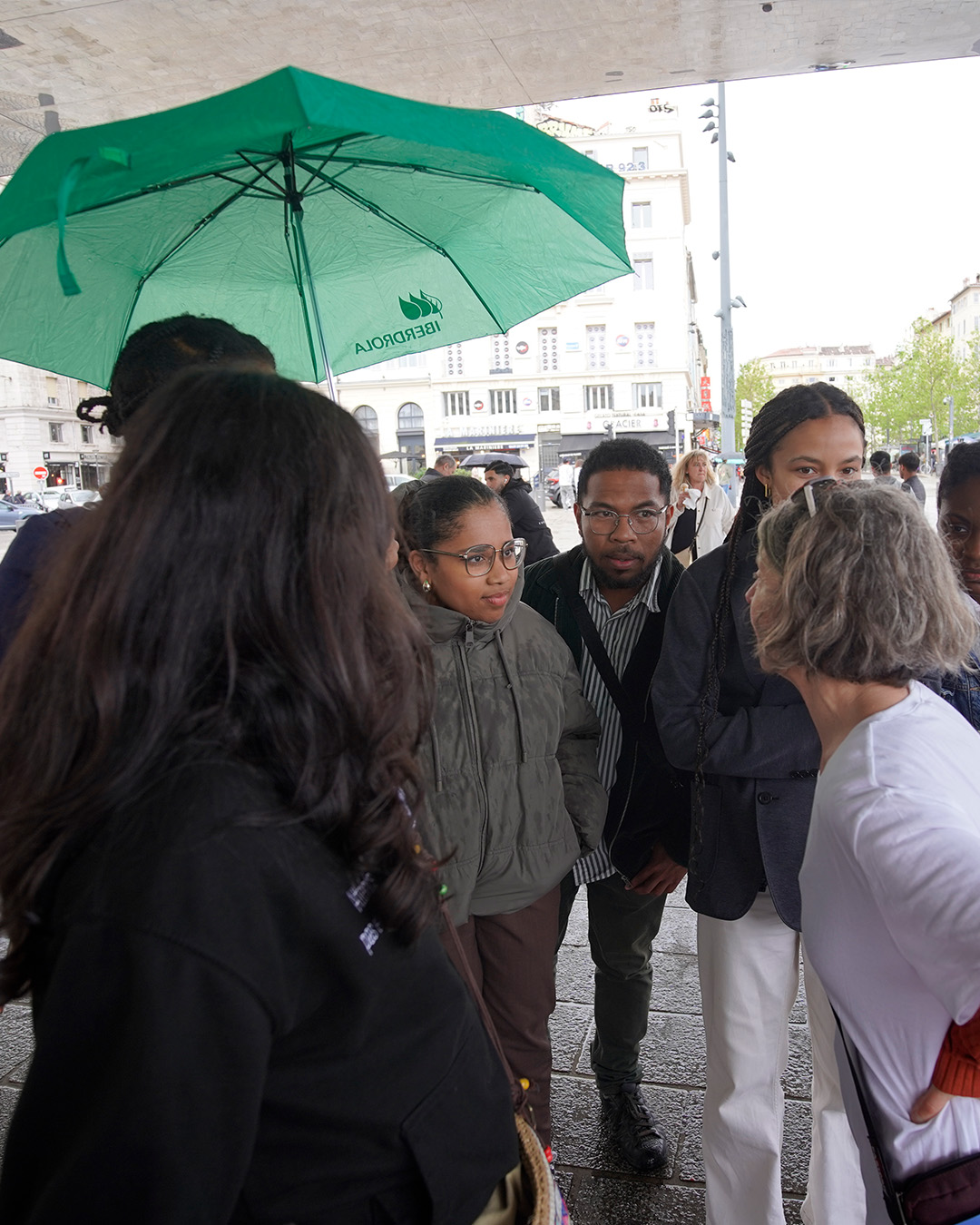
Education on social media must be pedagogical and go straight to the point. A street educator must do the same, but with the emotional impact of direct face-to-face contact.
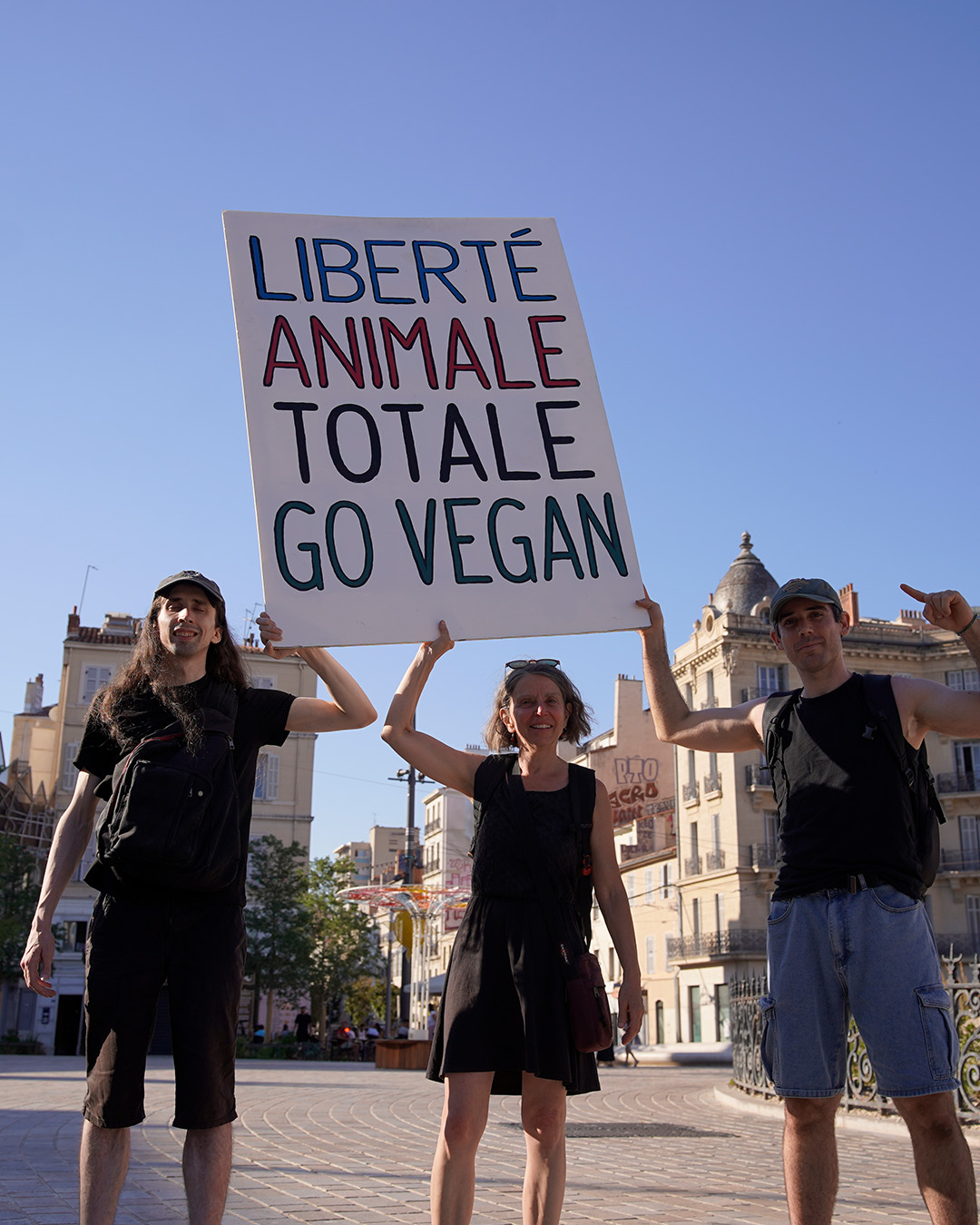
That is when I joined Jérémie and Sébastien in Marseille five times during 2025. Each session was an opportunity to train. Bringing injustice to light and confronting non-vegans with their responsibility, within a direct and benevolent exchange, is something that must be learned.
Gone is the reassuring time of reflection behind my keyboard. One must speak live, synthesize, and articulate one’s reasoning quickly.